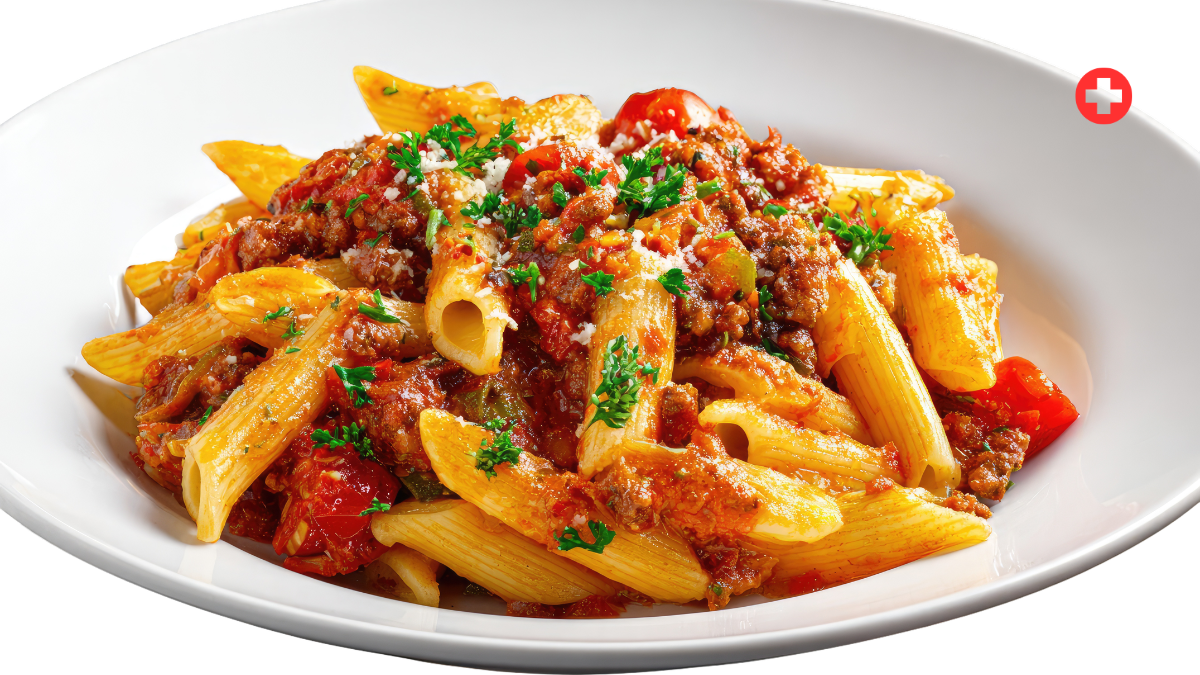
Pasta is one of the most loved dishes around the world because it is simple, versatile, and delicious. However, many people face a common problem while cooking pasta: the noodles stick together and turn into a clumpy mess. Sticky pasta can ruin the texture of your dish and make it difficult to mix with sauces properly. The good news is that cooking pasta so it stays separate and smooth is not difficult when you follow the right techniques.
Many beginners believe pasta sticking together is unavoidable, but in reality it happens due to a few small mistakes during the cooking process. Using too little water, skipping stirring, or overcooking are some of the common reasons pasta clumps together. By understanding how pasta behaves while boiling, you can easily avoid these problems.
In this guide, you will learn simple and practical techniques that help ensure your pasta cooks perfectly every time. Whether you are preparing spaghetti, penne, or fusilli, these tips will help you achieve tender, separate noodles that are ready to absorb your favorite sauces.
Use a Large Pot with Plenty of Water
One of the most important steps in preventing pasta from sticking together is using enough water. Pasta releases starch as it cooks, and if the water volume is too small, the starch becomes concentrated and causes the noodles to stick.
A large pot filled with plenty of boiling water allows the pasta to move freely. When pasta has space to circulate, it is less likely to cling to other pieces. As a general rule, you should use a big pot and fill it generously so the pasta can cook evenly.
Crowding pasta into a small pot may seem convenient, but it almost always leads to sticky noodles. The extra space in a large pot helps maintain consistent heat and prevents clumping.
Add Salt to the Boiling Water
Salt is often added to pasta water for flavor, but it also plays a small role in improving the cooking process. Well-seasoned water enhances the taste of the pasta itself, making the final dish more flavorful.
When salt dissolves in the boiling water, it slightly changes the way pasta absorbs water. This helps the noodles cook more evenly and maintain a good texture. The key is to add salt after the water begins boiling so it dissolves quickly.
Salt alone will not stop pasta from sticking, but when combined with other techniques, it contributes to a better cooking result.
Stir the Pasta Immediately After Adding It
One of the most common reasons pasta sticks together is that it sits motionless in the water right after being added. During the first minute of cooking, the surface starch becomes soft and sticky. If pasta pieces remain in contact during this stage, they can cling to each other.
To prevent this, stir the pasta immediately after dropping it into the boiling water. Use a spoon or pasta fork to gently separate the noodles and keep them moving.
Continue stirring occasionally during the first few minutes. This simple habit ensures that the pasta stays loose and prevents clumping from forming.
Keep the Water at a Strong Boil
Maintaining a steady boil is another important factor when cooking pasta. If the water temperature drops too much, the pasta may sink and settle at the bottom of the pot, where pieces can stick together.
A strong boil keeps the water circulating and constantly moving the pasta around. This motion naturally separates the noodles and reduces the chances of them sticking.
When you add pasta to the pot, the temperature will drop slightly. Wait for the water to return to a boil and then keep it bubbling steadily throughout the cooking process.
Avoid Adding Oil to the Pasta Water
Some people believe that adding oil to pasta water prevents sticking, but this is actually a myth. Oil floats on the surface of water and does not coat the pasta evenly.
Instead of helping, oil can make it harder for sauce to stick to the pasta later. The slippery coating can prevent sauces from clinging properly, resulting in a less flavorful dish.
The best way to prevent sticking is not oil, but proper stirring, enough water, and correct cooking techniques.
Use the Right Amount of Pasta
Overloading the pot with too much pasta can easily lead to clumping. When pasta is crowded, there is not enough room for the noodles to move freely in the water.
Cooking smaller batches ensures each piece has enough space to cook evenly. This improves both the texture and separation of the noodles.
If you are cooking for many people, it may be better to prepare the pasta in two batches instead of trying to cook everything at once.
Cook Pasta Until Al Dente
The term “al dente” means the pasta should be tender but still slightly firm when bitten. Cooking pasta to this stage ensures it holds its shape and texture well.
Overcooked pasta becomes soft and releases more starch into the water. This extra starch can cause noodles to stick together more easily.
To achieve the perfect texture, start checking the pasta a minute or two before the recommended cooking time on the package. Taste a piece to see if it has the right firmness.
Reserve Some Pasta Water Before Draining
Before draining your pasta, it is helpful to save a small cup of the cooking water. Pasta water contains dissolved starch that can help sauces cling better to the noodles.
If your pasta seems slightly sticky after draining, adding a small splash of the reserved water while mixing with sauce can help loosen the noodles and improve the overall texture.
This trick is widely used by experienced cooks because it creates a smoother and more cohesive pasta dish.
Mix Pasta with Sauce Immediately
Once pasta is drained, it should not sit in the colander for too long. As it cools, the surface starch becomes sticky again and the noodles can begin clumping.
The best approach is to transfer the pasta directly into the sauce while it is still hot. Tossing the noodles with sauce right away helps coat them evenly and prevents sticking.
This step also allows the pasta to absorb some of the sauce flavors, making the dish more delicious.
Use Tongs or a Pasta Fork for Separation
If you notice pasta starting to stick after draining, using tongs or a pasta fork can help separate the noodles. Gently lifting and tossing the pasta breaks apart clumps without damaging the texture.
This technique is especially useful for long pasta varieties like spaghetti or fettuccine. A quick toss with the right utensil restores the pasta’s light and fluffy consistency.
Final Thought
Cooking pasta so it never sticks together is easier than many people think. The key lies in following a few simple habits such as using plenty of water, stirring during the early cooking stage, maintaining a strong boil, and avoiding overcrowding the pot. Small adjustments like these make a huge difference in the final result.
Perfect pasta should be tender, separate, and ready to absorb delicious sauces. Once you understand the science behind pasta cooking, achieving this texture becomes second nature. With practice and attention to detail, you can confidently prepare pasta dishes that look and taste like they were made by a professional chef.
FAQs
1. Why does pasta stick together while cooking?
Pasta sticks together mainly because of starch released during cooking. If there is not enough water or the pasta is not stirred early on, the starch can cause noodles to cling together.
2. Should I rinse pasta after cooking to stop it from sticking?
Rinsing pasta removes starch but also washes away flavor and prevents sauces from sticking well. It is generally better not to rinse pasta unless you are making a cold pasta salad.
3. Does oil in pasta water stop pasta from sticking?
No, oil floats on top of the water and does not coat the pasta evenly. Proper stirring and enough boiling water are more effective methods.
4. How much water should I use for boiling pasta?
A large pot filled with plenty of water allows pasta to move freely. More water reduces starch concentration and helps prevent sticking.
5. What should I do if my pasta sticks after draining?
You can gently separate it with tongs and add a small amount of reserved pasta water or sauce while tossing to loosen the noodles.