Pregnancy is one of the most important stages in a woman’s life, and nutrition plays a major role in supporting both the mother and the growing baby. During pregnancy, the body requires additional nutrients such as protein, iron, calcium, folate, healthy fats, and essential vitamins. These nutrients help support fetal development, strengthen the mother’s body, and reduce the risk of complications.
Eating a balanced diet during pregnancy does not mean eating twice as much food; instead, it means choosing foods that are rich in nutrients. The right foods can help in building the baby’s organs, bones, brain, and immune system while keeping the mother energized and healthy.

In this article, we will explore six of the best foods to eat during pregnancy. These foods are packed with nutrients that support healthy pregnancy and fetal growth.
Eggs
Eggs are considered one of the most nutritious foods for pregnant women. They are packed with high-quality protein, which is essential for the growth and development of the baby’s tissues and organs.
Eggs also contain important nutrients like choline, which plays a key role in brain development and helps prevent certain birth defects. Additionally, eggs provide vitamins such as vitamin D, vitamin B12, and selenium, which help maintain energy levels and support immune function.
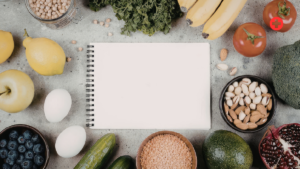
Another advantage of eggs is their versatility. They can be boiled, scrambled, or added to various meals, making them easy to include in a daily diet. For pregnant women who need a quick and healthy meal, eggs are an excellent choice.
However, it is important to make sure eggs are fully cooked before eating to avoid any risk of foodborne illness. Properly cooked eggs provide safe and valuable nutrition during pregnancy.
Leafy Green Vegetables
Leafy green vegetables such as spinach, kale, and broccoli are extremely beneficial during pregnancy. These vegetables are rich in folate, which is one of the most important nutrients for pregnant women.

Folate helps in the formation of the baby’s neural tube, which eventually develops into the brain and spinal cord. Adequate folate intake during pregnancy can help reduce the risk of neural tube defects.
Leafy greens are also packed with vitamins A, C, and K, as well as minerals like calcium, iron, and magnesium. These nutrients support bone health, improve blood circulation, and strengthen the immune system.
Another benefit of leafy greens is their fiber content. Fiber helps prevent constipation, a common issue during pregnancy. Adding leafy vegetables to salads, soups, or smoothies can make it easier to consume them regularly.
Dairy Products
Dairy products such as milk, yogurt, and cheese are excellent sources of calcium and protein, which are essential for the development of the baby’s bones and teeth.
Calcium is particularly important during pregnancy because the growing baby requires it for skeletal development. If the mother does not consume enough calcium, the baby may draw it from the mother’s bones.
Yogurt is especially beneficial because it contains probiotics that support digestive health. A healthy digestive system can help reduce issues like bloating and indigestion during pregnancy.
Dairy products also provide vitamin D and phosphorus, which help the body absorb calcium more effectively. Choosing low-fat or plain dairy options can provide maximum benefits without excessive added sugars.
Including dairy in daily meals, such as drinking milk or eating yogurt with fruits, can help ensure the body receives adequate nutrients.
Lean Meat
Lean meats such as chicken, turkey, and lean beef are excellent sources of high-quality protein and iron. During pregnancy, the body requires extra protein to support the growth of the baby and the placenta.
Iron is another critical nutrient found in lean meat. It helps produce hemoglobin, which carries oxygen to the baby and prevents anemia in the mother. Iron deficiency during pregnancy can lead to fatigue, weakness, and complications.
Lean meat also contains B vitamins, especially vitamin B6 and vitamin B12, which support brain development and help reduce nausea in some pregnant women.
It is important to cook meat thoroughly to ensure safety during pregnancy. Properly cooked lean meat can be a powerful addition to a healthy pregnancy diet.
Fruits
Fruits are one of the most refreshing and nutritious foods for pregnant women. They provide essential vitamins, antioxidants, and natural sugars that help maintain energy levels throughout the day.
Fruits such as oranges, bananas, berries, and apples are particularly beneficial. Oranges provide vitamin C, which helps boost immunity and improves iron absorption. Bananas are rich in potassium, which helps prevent muscle cramps and supports heart health.
Berries contain powerful antioxidants that protect the body’s cells from damage and support the baby’s development. Apples are rich in fiber and help promote healthy digestion.
Another advantage of fruits is their hydration benefits. Many fruits have high water content, which helps keep the body hydrated and reduces the risk of dehydration.
Pregnant women can enjoy fruits as snacks, smoothies, or part of breakfast to maintain a balanced diet.
Whole Grains
Whole grains such as oats, brown rice, quinoa, and whole wheat bread are important sources of energy and nutrients during pregnancy.
These grains contain complex carbohydrates that provide steady energy throughout the day. Unlike refined carbohydrates, whole grains release energy slowly, helping to maintain stable blood sugar levels.
Whole grains are also rich in fiber, which supports digestion and prevents constipation. In addition, they contain B vitamins, iron, and magnesium, all of which contribute to healthy fetal development.
Another important benefit of whole grains is that they help keep pregnant women feeling full for longer periods. This can help prevent unhealthy snacking and support a balanced diet.
Adding whole grains to meals such as breakfast oatmeal, whole wheat sandwiches, or brown rice dishes can significantly improve nutritional intake during pregnancy.
Final Thought
A healthy pregnancy begins with proper nutrition. Choosing the right foods helps ensure both the mother and baby receive essential nutrients needed for growth and development. Foods like eggs, leafy greens, dairy products, lean meat, fruits, and whole grains provide a strong foundation for a balanced pregnancy diet.
Each of these foods contributes important nutrients such as protein, calcium, iron, fiber, and vitamins that support different aspects of pregnancy health. By including a variety of nutrient-rich foods in daily meals, pregnant women can maintain energy, strengthen their immune system, and support their baby’s development.
While these foods are highly beneficial, it is also important to maintain a balanced diet and consult a healthcare professional for personalized nutritional guidance during pregnancy.
FAQs
1. What foods should pregnant women eat daily?
Pregnant women should focus on nutrient-dense foods such as eggs, dairy products, leafy greens, fruits, whole grains, and lean proteins. These foods provide essential nutrients for both the mother and the baby.
2. Why is protein important during pregnancy?
Protein supports the growth of the baby’s tissues and organs and helps maintain the mother’s muscle health and energy levels.
3. Are fruits safe to eat during pregnancy?
Yes, fruits are very beneficial during pregnancy because they provide vitamins, antioxidants, and fiber that support overall health and digestion.
4. How much calcium is needed during pregnancy?
Pregnant women generally need around 1,000 mg of calcium per day to support the development of the baby’s bones and teeth.
5. Can pregnant women eat eggs every day?
Yes, eggs can be eaten daily as long as they are fully cooked. They provide protein, choline, and important vitamins that support pregnancy health.
6. Why are whole grains recommended during pregnancy?
Whole grains provide fiber, energy, and essential nutrients that help maintain stable blood sugar levels and support healthy digestion.