Parents often focus heavily on main meals when thinking about their child’s nutrition, but snacks play an equally important role in supporting a child’s growth and development. Young kids are naturally active and have smaller stomachs, which means they need regular energy throughout the day. Healthy snacks help fill nutritional gaps, support brain development, and maintain steady energy levels between meals.
However, not all snacks are created equal. Many packaged snacks contain excess sugar, unhealthy fats, and artificial ingredients that provide little nutritional value. Choosing smart snack options ensures children receive the vitamins, minerals, and nutrients their growing bodies and minds need. With thoughtful choices and simple preparation, parents can turn snack time into an opportunity for nourishing both the body and the brain.
Why Healthy Snacks Matter for Young Kids

Young children burn energy quickly. Between running, playing, learning, and exploring the world around them, their bodies constantly require fuel. Healthy snacks provide that fuel in a balanced way without causing sudden sugar spikes or energy crashes.
Nutritious snacks also help support brain function. Foods rich in healthy fats, proteins, fiber, and complex carbohydrates promote better concentration, memory, and mood stability. This is especially important for children who are learning new skills every day at school or during early development.
In addition, snack time helps children develop lifelong eating habits. When kids are introduced to wholesome foods early, they are more likely to prefer nutritious choices as they grow older. Offering healthy snacks regularly builds familiarity and encourages a positive relationship with food.
Key Nutrients Kids Need in Snacks
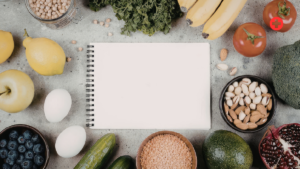
A well-balanced snack should include nutrients that support physical growth and brain development. Instead of relying on sugary treats, focus on foods that provide sustained energy.
Protein is one of the most important components. It helps build muscles, supports tissue repair, and keeps children feeling full longer. Snacks that include protein can prevent overeating during meals and stabilize energy levels.
Fiber is another essential nutrient. It supports healthy digestion and helps maintain steady blood sugar levels. Whole grains, fruits, and vegetables are excellent fiber sources.

Healthy fats are crucial for brain development in young children. Foods such as nuts, seeds, yogurt, and avocado provide fats that support cognitive growth and learning abilities.
Vitamins and minerals also play key roles. Calcium strengthens bones and teeth, iron supports brain development and oxygen transport, and vitamin C boosts the immune system. Including a variety of foods ensures children receive a wide range of these nutrients.
Smart Snack Ideas for Growing Minds
Healthy snacks do not need to be complicated or time-consuming. Simple combinations of whole foods can create nutritious and appealing snack options for children.
Fresh fruit paired with yogurt is a great example. Fruits provide natural sweetness and vitamins, while yogurt adds protein and calcium. This combination supports both energy and bone development.
Another excellent option is sliced vegetables with hummus or a mild dip. Carrots, cucumbers, and bell peppers are colorful, crunchy, and packed with vitamins. Hummus provides plant-based protein and healthy fats.
Whole grain crackers with cheese offer a balance of carbohydrates and protein. This snack keeps kids satisfied while supporting brain energy and growth.
Smoothies are also a fun way to include multiple nutrients in one snack. Blending fruits with milk or yogurt creates a creamy drink that children enjoy while receiving vitamins, protein, and calcium.
Nut butter spread on apple slices or whole grain toast is another nutritious choice. It provides healthy fats, protein, and fiber, making it a satisfying snack that fuels both the body and mind.
Making Snacks Fun and Appealing
Children are more likely to eat healthy snacks when the presentation is playful and engaging. Turning snacks into fun shapes or colorful arrangements can make a big difference in a child’s willingness to try new foods.
For example, fruit can be cut into stars, hearts, or animal shapes. Arranging vegetables in rainbow patterns adds visual excitement and encourages kids to explore different colors and flavors.
Snack boards are another creative idea. Small portions of fruit, cheese cubes, crackers, and yogurt dips can be arranged on a plate so children can pick what they like. This approach allows kids to feel involved in their snack choices.
Parents can also involve children in preparing snacks. Simple tasks such as washing fruits, spreading peanut butter, or assembling mini sandwiches help children develop independence while building interest in healthy foods.
Avoiding Common Snack Pitfalls
Many snacks marketed for children appear convenient but often contain hidden sugars, artificial flavors, and excessive salt. These ingredients can lead to energy crashes, mood swings, and poor nutritional intake.
Sugary snacks such as candies, sweet pastries, and heavily processed snack bars provide quick energy but lack essential nutrients. Regular consumption may also contribute to unhealthy eating habits over time.
Another common pitfall is oversized snack portions. Even healthy snacks should be offered in appropriate amounts so children do not lose their appetite for balanced meals later.
Highly processed foods can also crowd out more nutritious options. While occasional treats are fine, most snacks should focus on whole foods such as fruits, vegetables, dairy, nuts, and whole grains.
Reading ingredient labels and choosing minimally processed foods helps parents make better snack choices for their children.
Building a Balanced Snack Routine
Establishing a predictable snack routine helps children understand when to expect food and prevents constant grazing throughout the day. Most young children benefit from one or two scheduled snack times between meals.
Timing is also important. Snacks should be offered at least one to two hours before the next meal so children still feel hungry when it is time to eat.
Balance is another key factor. Combining carbohydrates with protein or healthy fats helps keep children satisfied for longer periods. For example, pairing fruit with yogurt or crackers with cheese provides more lasting energy than fruit or crackers alone.
Hydration should also be considered. Offering water or milk alongside snacks ensures children stay hydrated while avoiding sugary drinks.
Over time, a balanced snack routine helps regulate appetite, supports energy levels, and encourages healthy eating habits.
Encouraging Healthy Snack Habits
Developing healthy snack habits requires consistency and positive reinforcement. Children often mirror the behaviors they see at home, so parents play an important role in shaping their choices.
Offering a variety of healthy foods repeatedly can increase acceptance, even if a child initially refuses certain items. It sometimes takes multiple exposures for children to become comfortable with new flavors.
Creating a relaxed snack environment also helps. Sitting together at the table without distractions allows children to focus on eating and enjoy their food.
Limiting screen time during snacks encourages mindful eating and helps children recognize their hunger and fullness cues.
Celebrating healthy choices rather than forcing foods builds confidence and encourages curiosity about nutritious options.
Final Thought
Healthy snacks are more than just small bites between meals. They are valuable opportunities to support a child’s growth, brain development, and overall well-being. By choosing nutrient-rich foods and creating enjoyable snack experiences, parents can help their children develop strong bodies and curious minds.
Simple combinations of fruits, vegetables, proteins, and whole grains can provide the energy and nutrients young kids need to thrive. When snack time is approached with creativity, balance, and consistency, it becomes an important part of building lifelong healthy eating habits.
FAQs
1. How many snacks should young kids have each day?
Most young children benefit from one or two snacks per day between meals. This helps maintain energy levels without interfering with their appetite at mealtime.
2. What are the best snack options for picky eaters?
For picky eaters, start with familiar foods and introduce new items gradually. Pairing new fruits or vegetables with favorite dips or spreads can make them more appealing.
3. Are packaged snacks always unhealthy for kids?
Not all packaged snacks are unhealthy, but many contain added sugars and artificial ingredients. It is best to choose snacks with simple ingredients and minimal processing.
4. Can snacks replace meals for young children?
Snacks should complement meals rather than replace them. Meals provide larger portions of essential nutrients, while snacks help maintain energy between meals.
5. What drinks are best to serve with snacks?
Water and milk are the healthiest options for children during snack time. Sugary drinks and sodas should be limited as they provide little nutritional value.