Fertility is influenced by many factors, including lifestyle, hormonal balance, age, and nutrition. While no single food can guarantee pregnancy, a well-balanced diet can significantly support reproductive health. For women trying to conceive, the right nutrients help regulate ovulation, improve egg quality, and create a healthy environment for pregnancy.
In today’s fast-paced world, dietary habits often shift toward processed foods, which may negatively affect hormonal balance. By focusing on natural, nutrient-dense foods, women can enhance their fertility potential in a safe and sustainable way. This article explores foods that may help increase female fertility and explains how they contribute to reproductive health.
Leafy Green Vegetables


Leafy greens like spinach, kale, and broccoli are rich in essential vitamins and minerals that support fertility. They are especially high in folate, a B-vitamin that plays a critical role in ovulation and early fetal development.
Folate helps prevent neural tube defects and supports proper cell division. Additionally, leafy greens contain iron, which is vital for preventing anemia—a condition linked to ovulatory infertility.
Including a variety of greens in your daily meals can also provide antioxidants that protect eggs from damage caused by oxidative stress. A simple salad or a green smoothie can make a big difference in improving overall reproductive health.
Whole Grains
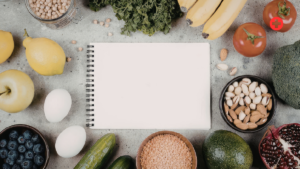
Whole grains such as quinoa, brown rice, oats, and whole wheat are excellent for maintaining stable blood sugar levels. Unlike refined carbohydrates, whole grains digest slowly, preventing insulin spikes that can disrupt hormonal balance.
Stable insulin levels are crucial for regular ovulation. High insulin can interfere with ovary function, particularly in women with conditions like polycystic ovary syndrome (PCOS).
Whole grains are also a good source of fiber, which helps remove excess hormones from the body. This balance supports a healthy menstrual cycle and improves the chances of conception.
Healthy Fats

Not all fats are harmful. Healthy fats, especially omega-3 fatty acids, are essential for hormone production and reproductive function. Foods like avocados, nuts, seeds, and fatty fish such as salmon are rich in these beneficial fats.
Omega-3 fatty acids help reduce inflammation and improve blood flow to reproductive organs. They also support the development of healthy eggs and regulate hormones involved in ovulation.
Replacing trans fats and processed oils with natural sources of healthy fats can significantly improve fertility outcomes over time.
Berries and Antioxidant-Rich Fruits
Berries such as blueberries, strawberries, and raspberries are packed with antioxidants, including vitamin C and flavonoids. These compounds protect eggs from oxidative stress and support overall reproductive health.
Antioxidants help neutralize free radicals, which can damage cells, including reproductive cells. This protection is especially important as women age, since egg quality naturally declines over time.
Adding a bowl of mixed berries to your breakfast or snacks is a simple way to boost fertility-supporting nutrients.
Dairy Products
Full-fat dairy products like milk, yogurt, and cheese have been associated with improved fertility in some studies. They provide calcium, vitamin D, and protein, all of which are important for reproductive health.
Vitamin D plays a key role in hormone regulation and ovulation. Low levels of vitamin D have been linked to infertility in some women.
While moderation is key, including healthy dairy options in your diet can help maintain hormonal balance and support reproductive function.
Plant-Based Proteins
Plant-based protein sources such as lentils, beans, chickpeas, and tofu are excellent for fertility. They are rich in iron, fiber, and essential nutrients without the saturated fats found in some animal proteins.
Research suggests that replacing some animal protein with plant protein may reduce the risk of ovulatory infertility. Plant proteins also help regulate blood sugar levels and support hormone balance.
Including a variety of legumes in your meals ensures a steady supply of nutrients that contribute to reproductive health.
Nuts and Seeds
Nuts and seeds, including almonds, walnuts, flaxseeds, and chia seeds, are nutrient-dense foods that support fertility. They are rich in healthy fats, protein, and important minerals like zinc and selenium.
Zinc plays a key role in egg development and hormone regulation. Selenium helps protect eggs from oxidative damage and supports thyroid function, which is closely linked to fertility.
A small handful of nuts or a sprinkle of seeds can easily be added to meals or snacks for a fertility boost.
Citrus Fruits
Citrus fruits like oranges, lemons, and grapefruits are high in vitamin C, which is essential for reproductive health. Vitamin C improves iron absorption, supports hormone production, and helps protect reproductive cells from damage.
These fruits also contain polyamines, compounds that may support egg health and improve the chances of successful fertilization.
Starting your day with fresh citrus juice or adding slices to your meals can provide a refreshing and nutritious fertility boost.
Eggs
Eggs are a powerhouse of nutrients, particularly protein, choline, and vitamin D. Choline is essential for fetal brain development and supports overall reproductive health.
Eggs also contain antioxidants like lutein and zeaxanthin, which help protect cells from damage. For women trying to conceive, eggs provide a balanced source of nutrients that support egg quality and hormonal balance.
Including eggs in your diet a few times a week can be a simple and effective way to enhance fertility.
Water and Hydration
While not a food, hydration plays a crucial role in fertility. Drinking enough water helps maintain healthy cervical mucus, which is essential for sperm movement and fertilization.
Proper hydration also supports overall bodily functions, including hormone transport and nutrient absorption.
Replacing sugary drinks with water or herbal teas can improve overall health and create a more favorable environment for conception.
Foods to Limit for Better Fertility
While focusing on beneficial foods is important, reducing certain foods can also improve fertility. Processed foods, trans fats, excessive sugar, and high caffeine intake may negatively affect hormonal balance and ovulation.
Limiting alcohol consumption is also recommended, as it can interfere with reproductive hormones and reduce fertility.
Making mindful dietary choices and focusing on whole, natural foods can significantly improve reproductive health over time.
Lifestyle Factors That Complement Fertility Foods
Diet works best when combined with a healthy lifestyle. Regular exercise, stress management, and adequate sleep all play vital roles in fertility.
Chronic stress can disrupt hormone levels and interfere with ovulation. Practices like yoga, meditation, or even simple breathing exercises can help maintain emotional balance.
Maintaining a healthy weight is also important, as both underweight and overweight conditions can affect fertility. A balanced diet paired with an active lifestyle creates the best conditions for conception.
Final Thought
Improving fertility is not about following a strict or restrictive diet but about nourishing the body with the right nutrients. Foods rich in vitamins, minerals, antioxidants, and healthy fats can support hormonal balance, improve egg quality, and enhance overall reproductive health.
Consistency is key. Small, sustainable changes in daily eating habits can have a powerful impact over time. By choosing whole, natural foods and maintaining a healthy lifestyle, women can significantly improve their chances of conception while also supporting long-term health.
FAQs
1. Which fruit is best for female fertility?
Berries and citrus fruits are excellent choices due to their high antioxidant and vitamin C content, which support egg health and hormone balance.
2. Can diet alone improve fertility?
Diet plays a major role, but it works best when combined with a healthy lifestyle, including exercise, stress management, and proper sleep.
3. Are dairy products good for fertility?
Yes, full-fat dairy in moderation may support fertility due to its calcium and vitamin D content.
4. How long does it take for diet changes to affect fertility?
It may take a few months to notice improvements, as the body needs time to respond to nutritional changes.
5. Should I avoid caffeine completely?
Moderate caffeine intake is generally safe, but excessive consumption should be avoided when trying to conceive.