High blood pressure, also known as hypertension, is a common health concern affecting millions of people worldwide. It occurs when the force of blood pushing against the walls of the arteries remains consistently high. Over time, uncontrolled blood pressure can increase the risk of heart disease, stroke, kidney problems, and other serious health issues. While medications are often prescribed to manage hypertension, diet plays a powerful role in naturally controlling blood pressure levels.
Certain foods contain nutrients that help relax blood vessels, balance sodium levels, and improve heart health. By incorporating the right foods into your daily meals, you can support your cardiovascular system and maintain healthier blood pressure levels naturally. In this article, we will explore several foods that can help lower high blood pressure and explain how they benefit the body.
Leafy Green Vegetables


Leafy green vegetables are among the most beneficial foods for managing high blood pressure. Vegetables such as spinach, kale, lettuce, and Swiss chard are rich in potassium, an essential mineral that helps the body remove excess sodium through urine. Sodium is one of the major contributors to elevated blood pressure, and balancing it with potassium can help regulate blood pressure levels.
These vegetables also contain antioxidants and nitrates that improve blood vessel function and promote better circulation. Regular consumption of leafy greens supports the relaxation of blood vessels, allowing blood to flow more easily. Including a serving of leafy greens in salads, soups, or smoothies each day can make a significant difference in maintaining healthy blood pressure.
Berries
Berries such as blueberries, strawberries, raspberries, and blackberries are packed with powerful antioxidants called flavonoids. These compounds help protect the heart and improve the elasticity of blood vessels. When blood vessels are more flexible, blood can flow smoothly without putting excessive pressure on artery walls.
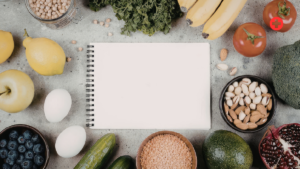
Flavonoids also help reduce inflammation in the body, which is often linked to heart disease and hypertension. Eating a bowl of fresh berries as a snack, adding them to yogurt, or blending them into smoothies can provide a delicious way to support heart health while naturally lowering blood pressure.
Bananas
Bananas are widely recognized as one of the best natural sources of potassium. Potassium plays a key role in balancing sodium levels and reducing tension in the blood vessel walls. This helps prevent the narrowing of arteries and supports smoother blood circulation.
In addition to potassium, bananas contain fiber and essential vitamins that contribute to overall cardiovascular health. They are convenient, affordable, and easy to include in everyday meals. Eating one banana daily or adding sliced bananas to oatmeal or cereal can help support healthy blood pressure levels.
Oats

Oats are an excellent food choice for heart health due to their high fiber content, particularly a type called beta-glucan. This soluble fiber helps reduce cholesterol levels and improve blood vessel function. When cholesterol levels decrease, blood can move more freely through the arteries, which helps maintain normal blood pressure.
Oats also promote steady blood sugar levels and keep you feeling full for longer periods, making them a healthy breakfast option. Starting the day with a bowl of oatmeal topped with fruits and nuts can be a simple yet powerful step toward better cardiovascular health.
Garlic
Garlic has been used for centuries as both a food and a natural remedy. It contains sulfur compounds, especially allicin, which help relax blood vessels and improve circulation. These compounds stimulate the production of nitric oxide in the body, a substance that helps widen blood vessels and reduce blood pressure.
Regular consumption of garlic may also help reduce cholesterol levels and inflammation, both of which contribute to heart disease. Adding fresh garlic to soups, sauces, vegetables, and stir-fries can enhance flavor while providing important heart health benefits.
Fatty Fish
Fatty fish such as salmon, mackerel, sardines, and tuna are rich in omega-3 fatty acids. These healthy fats are known for their anti-inflammatory properties and their ability to improve heart function. Omega-3 fatty acids help reduce blood pressure by decreasing inflammation and supporting better blood vessel flexibility.
They also lower triglyceride levels and support overall cardiovascular health. Consuming fatty fish two or three times a week can provide significant benefits for people trying to manage hypertension naturally.
Nuts and Seeds
Nuts and seeds are nutrient-dense foods that contain healthy fats, magnesium, potassium, and fiber. Almonds, walnuts, flaxseeds, chia seeds, and sunflower seeds are particularly beneficial for heart health.
Magnesium plays an important role in relaxing blood vessels and regulating blood pressure levels. Meanwhile, healthy fats help reduce inflammation and support better circulation. A small handful of unsalted nuts or a spoonful of seeds added to salads, yogurt, or smoothies can provide valuable nutrients that contribute to healthier blood pressure.
Beans and Lentils
Beans and lentils are rich sources of plant-based protein, fiber, potassium, and magnesium. These nutrients work together to support healthy blood pressure and improve overall heart health.
The fiber found in beans and lentils helps reduce cholesterol levels and stabilize blood sugar, which indirectly supports blood pressure control. Additionally, their high potassium content helps balance sodium levels in the body.
Including foods such as black beans, kidney beans, chickpeas, and lentils in soups, salads, or curries can be an effective way to maintain heart health while enjoying nutritious meals.
Yogurt
Yogurt, particularly plain and unsweetened varieties, is rich in calcium and probiotics. Calcium plays a crucial role in blood pressure regulation by helping blood vessels contract and relax properly. A lack of calcium may contribute to elevated blood pressure.
Probiotics found in yogurt support gut health, which has been linked to improved cardiovascular function. Studies suggest that healthy gut bacteria may play a role in regulating blood pressure.
Eating yogurt with fruits, nuts, or seeds can be a nutritious snack or breakfast option that supports both digestive and heart health.
Pomegranates
Pomegranates are known for their powerful antioxidant properties. The juice and seeds contain compounds that help improve blood flow and reduce oxidative stress in the body. These antioxidants help protect blood vessels from damage and support better circulation.
Regular consumption of pomegranate juice in moderate amounts may help lower blood pressure and improve heart health. Fresh pomegranate seeds can also be added to salads, yogurt, or smoothies for a refreshing and nutritious boost.
Dark Chocolate
Dark chocolate with a high cocoa content contains flavonoids that support heart health. These compounds help relax blood vessels and improve blood flow, which can contribute to lower blood pressure.
Moderate consumption of dark chocolate may offer cardiovascular benefits, but it is important to choose varieties with minimal added sugar and a cocoa content of at least 70 percent. Enjoying a small piece occasionally can provide both enjoyment and potential heart health advantages.
Final Thought
Managing high blood pressure naturally often begins with simple lifestyle changes, especially improvements in diet. Foods rich in potassium, magnesium, fiber, antioxidants, and healthy fats can significantly support heart health and help regulate blood pressure levels.
Leafy greens, berries, bananas, oats, garlic, fatty fish, nuts, seeds, beans, yogurt, pomegranates, and dark chocolate all contain beneficial nutrients that promote better circulation and healthier blood vessels. When combined with regular physical activity, adequate hydration, and reduced sodium intake, these foods can become powerful allies in maintaining balanced blood pressure.
Incorporating these nutritious foods into everyday meals does not require complicated changes. Small, consistent dietary adjustments can gradually improve cardiovascular health and support long-term well-being.
FAQs
1. Which fruit is best for lowering blood pressure naturally?
Many fruits help support healthy blood pressure, but bananas, berries, pomegranates, and oranges are especially beneficial due to their potassium and antioxidant content.
2. Can drinking water help reduce high blood pressure?
Staying well hydrated supports proper circulation and helps the body maintain healthy blood pressure levels. Drinking adequate water daily contributes to overall cardiovascular health.
3. How quickly can diet affect blood pressure?
Positive dietary changes can begin influencing blood pressure within a few weeks. Consistency in healthy eating habits is essential for long-term improvement.
4. Are salty foods harmful for people with high blood pressure?
Excess sodium can increase blood pressure by causing the body to retain fluid. Limiting processed and salty foods can help maintain healthier blood pressure levels.
5. Can lifestyle changes replace blood pressure medication?
In some cases, lifestyle changes may significantly improve blood pressure levels. However, anyone taking medication should always consult a healthcare professional before making changes to their treatment plan.