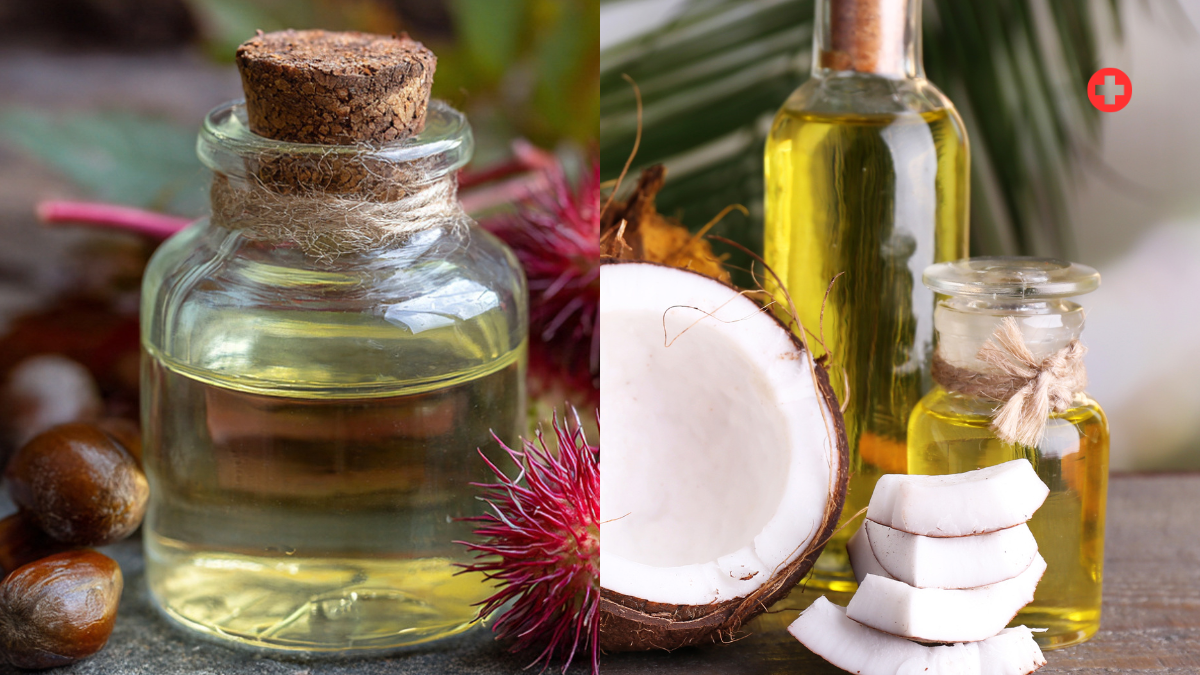
Hair fall and slow hair growth are common concerns during the summer season. Increased sweating, sun exposure, pollution, and scalp dehydration can weaken hair roots and affect healthy growth. Because of this, many people turn to natural oils to nourish the scalp and support hair regrowth. Among the most popular options are castor oil and coconut oil. Both oils have been used in traditional hair care routines for generations and are known for their nourishing properties.
However, many people wonder which oil works better for new hair growth, especially in the summer months when the scalp behaves differently due to heat and humidity. Understanding the benefits, properties, and proper use of these oils can help you choose the right one for your hair care routine.
This article explores castor oil vs coconut oil and examines which one is more effective for promoting new hair growth during summer.
Why Hair Care Needs Change in Summer
Summer weather can significantly impact scalp health. Excess heat increases sweat production, which can lead to clogged hair follicles and scalp irritation. Sun exposure can also weaken hair strands, making them dry, brittle, and prone to breakage.
The scalp may produce more oil during summer, but that does not always mean it is healthy. Sweat mixed with dirt and product buildup can disturb the scalp’s natural balance. This environment can slow down hair growth and cause hair fall.
Using the right oil can help maintain scalp hydration, strengthen hair follicles, and protect the hair from environmental stress.
What Makes Castor Oil Popular for Hair Growth
Castor oil is a thick, nutrient-rich oil extracted from castor seeds. It has long been used as a natural remedy for hair and scalp care. One of the reasons castor oil is highly valued is its high concentration of fatty acids.
These fatty acids help nourish the scalp and support stronger hair roots. Castor oil also has moisturizing properties that can reduce dryness and improve scalp health. When the scalp is properly nourished, hair follicles function more efficiently and can support healthier hair growth.
Another advantage of castor oil is its ability to coat the hair strands. This protective layer helps reduce breakage and split ends, which often makes hair appear thicker and fuller over time.
Many people also appreciate castor oil for its potential to improve blood circulation when massaged into the scalp. Better circulation can deliver more nutrients to the hair follicles, which may encourage new hair growth.
Benefits of Coconut Oil for Hair Health
Coconut oil is one of the most widely used natural oils for hair care. Extracted from coconut kernels, it is lighter than castor oil and easily absorbed by the scalp and hair strands.
One of the key advantages of coconut oil is its deep conditioning ability. It penetrates the hair shaft and helps prevent protein loss, which keeps hair strong and less prone to damage. This makes coconut oil particularly useful for maintaining overall hair health.
Coconut oil also helps reduce scalp dryness and flaking. During summer, when exposure to sun and sweat can irritate the scalp, coconut oil can provide soothing hydration.
Another important benefit is its natural antimicrobial properties. These properties can help keep the scalp clean by reducing the buildup of harmful microbes that may interfere with healthy hair growth.
Regular use of coconut oil can also improve hair texture, making hair smoother, shinier, and easier to manage.
Castor Oil vs Coconut Oil: Key Differences
Although both oils provide nourishment, they differ in texture, absorption, and overall function.
Castor oil is thick and sticky, which allows it to stay longer on the scalp. This makes it particularly effective for intensive scalp treatments. However, because of its heavy consistency, it can sometimes feel greasy during hot summer days.
Coconut oil, on the other hand, is lightweight and quickly absorbed. It is more comfortable to use in warm weather because it does not leave the scalp feeling overly oily.
Another difference is how these oils interact with the hair structure. Coconut oil focuses more on strengthening the hair shaft and protecting existing hair from damage. Castor oil focuses more on scalp nourishment and follicle stimulation.
Because of these differences, each oil serves a slightly different purpose in a hair care routine.
Which Oil Is Better for New Hair Growth in Summer
When comparing castor oil and coconut oil specifically for new hair growth, castor oil often stands out because of its thicker texture and concentrated nutrients. Its rich composition helps nourish hair follicles and may support stronger root development.
However, the summer season introduces a different challenge. The heat and humidity can make heavy oils uncomfortable for daily use. Castor oil may sometimes feel too thick for the scalp during hot weather, especially if applied in large amounts.
Coconut oil is more suitable for frequent use during summer because it is lightweight and refreshing for the scalp. While it may not directly stimulate hair growth as strongly as castor oil, it maintains overall scalp health, which is essential for healthy hair growth.
In simple terms, castor oil may offer stronger support for stimulating new growth, while coconut oil creates the ideal environment for hair to grow by protecting and conditioning the scalp and hair strands.
Can You Use Both Oils Together
Many people find the best results by combining castor oil and coconut oil. Mixing the two oils balances their textures and benefits.
Coconut oil helps dilute the thickness of castor oil, making the mixture easier to apply and wash out. At the same time, castor oil adds its powerful nourishing properties to the blend.
A common method is mixing one part castor oil with two parts coconut oil. This combination provides scalp nourishment, deep conditioning, and improved hair strength without feeling excessively heavy.
Applying this mixture as a scalp massage once or twice a week can help support healthy hair growth even during the summer season.
How to Apply Hair Oil During Summer
Proper application plays an important role in getting the best results from hair oils. Using too much oil or leaving it on the scalp for too long during summer can lead to buildup and discomfort.
Start by taking a small amount of oil and gently massaging it into the scalp using your fingertips. The massage stimulates blood circulation and helps distribute the oil evenly.
Leave the oil on for about thirty minutes to one hour before washing it off with a mild shampoo. This allows the scalp to absorb the nutrients without trapping excessive sweat or dirt.
For people with extremely dry hair, leaving a small amount overnight once a week may also help provide deeper nourishment.
Consistency is key when using natural oils for hair care.
Additional Tips to Support Hair Growth in Summer
Hair oils work best when combined with healthy hair care habits. Keeping the scalp clean is essential during summer because sweat and pollution can clog hair follicles.
Washing hair regularly with a gentle shampoo can prevent buildup while maintaining the scalp’s natural balance.
A balanced diet also plays an important role in hair growth. Foods rich in vitamins, minerals, and proteins provide the nutrients required for strong hair follicles.
Staying hydrated is another simple but effective step. Adequate water intake supports overall scalp health and prevents dryness.
Protecting hair from direct sun exposure by using scarves, hats, or protective hairstyles can also reduce damage during the hottest parts of the day.
Final Thought
Both castor oil and coconut oil offer valuable benefits for hair care, but their effectiveness depends on how they are used and the specific needs of your scalp.
Castor oil is highly nourishing and may help stimulate hair follicles, making it a strong option for promoting new hair growth. Coconut oil, on the other hand, protects hair strands, maintains scalp hydration, and is more comfortable to use during hot summer weather.
Rather than choosing one over the other, many people achieve the best results by combining both oils. This balanced approach supports scalp health, strengthens hair, and creates the right conditions for new hair growth even in challenging summer conditions.
With consistent care and the right hair routine, natural oils can become an effective part of maintaining healthy and stronger hair.
FAQs
Is castor oil better than coconut oil for hair growth?
Castor oil is often considered more effective for stimulating hair growth because of its thick consistency and nutrient content. However, coconut oil helps maintain scalp health and prevent hair damage, which also supports healthy growth.
Can I use castor oil daily in summer?
Daily use of castor oil may feel too heavy during summer. It is usually better to apply it once or twice a week or mix it with coconut oil to make it lighter.
Does coconut oil help new hair grow?
Coconut oil does not directly stimulate hair growth but helps create a healthy scalp environment. By reducing dryness and damage, it allows hair to grow stronger and healthier.
How long does it take to see hair growth using natural oils?
Hair growth varies from person to person. With consistent use of nourishing oils and proper scalp care, noticeable improvements may appear within a few weeks to a few months.
Should I apply oil on wet or dry hair?
Hair oil is generally more effective when applied to a dry scalp. This allows the oil to penetrate better and provide deeper nourishment to the hair follicles.