In today’s fast-paced lifestyle, building a strong core is not just about looks—it’s about balance, posture, stability, and long-term health. Your core muscles support nearly every movement you make, from sitting and standing to walking, lifting, and even breathing. While gym workouts and crunches are popular, yoga offers a natural, sustainable, and holistic way to strengthen your core and tone your abdominal muscles.
Yoga doesn’t rely on heavy equipment or extreme repetitions. Instead, it uses controlled movements, body awareness, breathing techniques, and isometric holds to activate deep core muscles. Over time, this leads to a stronger midsection, improved posture, better digestion, reduced back pain, and naturally sculpted abs.


In this detailed guide, we’ll explore 7 powerful yoga poses that effectively engage your core muscles and help shape your abs—without strain or burnout. Whether you are a beginner or someone with prior yoga experience, these poses can be adapted to your level and practiced safely at home.
Why Core Strength Matters More Than Abs
Many people focus only on visible abs, but your core is much more than that. It includes:
- Rectus abdominis (front abs)
- Transverse abdominis (deep core muscle)
- Obliques (side abs)
- Lower back muscles
- Pelvic floor muscles
A weak core can lead to:
- Poor posture
- Lower back pain
- Reduced athletic performance
- Balance problems
- Higher risk of injury
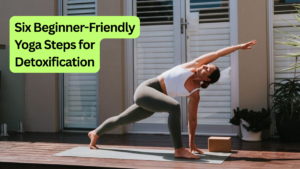
Yoga strengthens all layers of the core, not just the surface muscles. This is why yoga-based core training is long-lasting and functional.
How Yoga Helps Sculpt Abs Naturally
Yoga sculpts abs differently than traditional workouts:
- Sustained holds activate deep muscles
- Slow transitions improve muscle control
- Breath coordination enhances muscle engagement
- Mind-muscle connection increases effectiveness
- Low impact reduces injury risk
Consistency is the key. Practicing these poses 4–6 times a week, combined with balanced nutrition and proper hydration, can gradually shape and strengthen your abdominal area.
Quick Overview: 7 Core-Strengthening Yoga Poses
| No. | Yoga Pose Name | Core Area Targeted | Difficulty Level |
|---|---|---|---|
| 1 | Plank Pose | Entire core | Beginner–Intermediate |
| 2 | Boat Pose | Upper & lower abs | Intermediate |
| 3 | Forearm Plank | Deep core | Beginner |
| 4 | Side Plank | Obliques | Intermediate |
| 5 | Downward Dog | Core stability | Beginner |
| 6 | Dolphin Pose | Core & shoulders | Intermediate |
| 7 | Locust Pose | Lower back & core | Beginner |
1. Plank Pose (Phalakasana)

Plank Pose is one of the most effective yoga poses for overall core strength. It may look simple, but when done correctly, it activates the abs, back, shoulders, arms, and legs all at once.
How to Perform
- Start in a tabletop position
- Step both legs back, forming a straight line from head to heels
- Engage your abs by pulling your navel inward
- Keep shoulders aligned over wrists
- Hold the pose while breathing steadily
Benefits
- Strengthens the entire core
- Improves posture
- Builds endurance
- Enhances body alignment
Tips
- Avoid sagging hips
- Keep neck neutral
- Start with 20–30 seconds and gradually increase
2. Boat Pose (Navasana)
Boat Pose directly targets the abdominal muscles and is excellent for building visible core strength.
How to Perform
- Sit on the mat with legs extended
- Lift your legs while leaning back slightly
- Balance on your sitting bones
- Extend arms parallel to the floor
- Keep chest lifted and abs engaged
Benefits
- Strengthens upper and lower abs
- Improves balance
- Enhances digestion
- Builds mental focus
Tips
- Bend knees if you’re a beginner
- Avoid rounding your spine
- Breathe evenly to maintain stability
3. Forearm Plank (Makara Adho Mukha Svanasana)
This pose is gentler on the wrists while still offering deep core engagement.
How to Perform
- Lower from plank onto forearms
- Keep elbows under shoulders
- Engage abs and glutes
- Maintain a straight body line
Benefits
- Activates deep core muscles
- Improves shoulder stability
- Builds endurance
- Reduces wrist strain
Tips
- Press forearms firmly into the mat
- Avoid holding breath
- Focus on slow, controlled breathing
4. Side Plank (Vasisthasana)
Side Plank is excellent for sculpting the waistline and strengthening obliques.
How to Perform
- Begin in plank pose
- Shift weight onto one hand
- Stack feet or place one foot forward
- Lift the opposite arm upward
- Hold while maintaining balance
Benefits
- Strengthens obliques
- Improves balance and coordination
- Enhances arm and shoulder strength
Tips
- Drop the lower knee for support
- Keep hips lifted
- Engage your core continuously
5. Downward Facing Dog (Adho Mukha Svanasana)
While often considered a relaxation pose, Downward Dog plays a vital role in core stabilization.
How to Perform
- Start in tabletop position
- Lift hips upward and back
- Press hands into the mat
- Keep spine long and core engaged
Benefits
- Engages core muscles
- Improves spinal alignment
- Strengthens arms and shoulders
- Boosts blood circulation
Tips
- Bend knees slightly if hamstrings are tight
- Push hips upward rather than backward
- Focus on lengthening the spine
6. Dolphin Pose (Ardha Pincha Mayurasana)
Dolphin Pose challenges both core and upper body strength.
How to Perform
- Begin on forearms and knees
- Lift hips upward
- Walk feet closer to elbows
- Keep head lifted off the floor
Benefits
- Strengthens core and shoulders
- Improves stability
- Prepares body for inversions
- Enhances posture
Tips
- Keep elbows shoulder-width apart
- Engage abs to protect the lower back
- Avoid collapsing into shoulders
7. Locust Pose (Salabhasana)
Locust Pose strengthens the lower back, which is essential for a strong and balanced core.
How to Perform
- Lie on your stomach
- Lift chest, arms, and legs off the mat
- Keep neck neutral
- Hold while breathing deeply
Benefits
- Strengthens lower back and core
- Improves posture
- Reduces back stiffness
- Enhances spinal support
Tips
- Engage glutes gently
- Avoid straining the neck
- Keep movements controlled
How Often Should You Practice These Poses?
For best results:
- Practice 4–6 days per week
- Hold each pose for 20–60 seconds
- Repeat each pose 2–3 times
- Combine with balanced meals and hydration
Results depend on consistency, not intensity.
Common Mistakes to Avoid
- Holding breath during poses
- Rushing through movements
- Ignoring proper alignment
- Overtraining without rest
- Expecting instant results
Yoga is a gradual process. Strength and definition come with time and patience.
Final Thoughts
Building a strong core and sculpted abs doesn’t require extreme workouts or heavy equipment. With mindful practice, these 7 yoga poses can help you strengthen your abdominal muscles, improve posture, boost confidence, and support overall well-being.
Remember, yoga is not about forcing the body—it’s about listening to it. Stay consistent, focus on correct form, and allow your strength to grow naturally.