Reducing sugar in your daily diet can have a powerful impact on overall health. Many people consume far more added sugar than they realize through packaged foods, sweetened beverages, desserts, and even so-called “healthy” snacks. A no-sugar vegetarian meal plan focuses on whole foods such as vegetables, fruits, legumes, whole grains, nuts, and dairy while eliminating added sugars and highly processed foods.
A dietitian-designed plan ensures that you still receive balanced nutrition while avoiding sugar. Vegetarian diets are naturally rich in fiber, antioxidants, vitamins, and plant-based proteins. When combined with a no-sugar approach, they can support better digestion, stable energy levels, improved metabolic health, and reduced cravings.


This 7-day no-sugar vegetarian meal plan focuses on simple, wholesome ingredients that are easy to prepare. Natural sweetness from whole fruits is allowed, but refined sugar, artificial sweeteners, syrups, and processed sweets are avoided. Each day includes breakfast, lunch, dinner, and healthy snacks to keep you satisfied.
Principles of a No-Sugar Vegetarian Diet
Before starting the meal plan, it is helpful to understand the key principles behind this approach.
First, eliminate added sugars such as white sugar, brown sugar, corn syrup, maple syrup, and sweetened sauces. Many packaged foods hide sugar in ingredients lists, so choosing whole foods is the safest strategy.
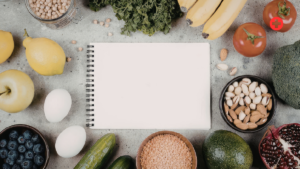
Second, focus on nutrient-dense vegetarian foods. These include beans, lentils, chickpeas, whole grains like quinoa and brown rice, fresh vegetables, fruits, nuts, seeds, yogurt, and paneer or tofu.
Third, maintain balanced meals. Each meal should ideally include protein, fiber, and healthy fats. This combination keeps blood sugar stable and prevents sudden hunger.
Finally, drink plenty of water and unsweetened beverages such as herbal tea, lemon water, or plain milk.
Day 1 Meal Plan

Breakfast: Vegetable oats cooked with spinach, carrots, peas, and mild spices. Serve with plain yogurt and a handful of almonds.
Mid-Morning Snack: One apple with a small portion of roasted peanuts.
Lunch: Brown rice with mixed vegetable curry and a bowl of cucumber-tomato salad with lemon dressing.
Evening Snack: Roasted chickpeas seasoned with black pepper and cumin.
Dinner: Paneer stir-fry with broccoli, bell peppers, and mushrooms served with two whole wheat rotis.
This day emphasizes fiber-rich grains and vegetables while keeping meals simple and satisfying.
Day 2 Meal Plan
Breakfast: Besan chilla (chickpea flour pancakes) filled with grated vegetables like onion, tomato, and capsicum. Serve with mint chutney.
Mid-Morning Snack: A bowl of papaya cubes.
Lunch: Quinoa salad with chickpeas, cucumber, tomato, parsley, olive oil, and lemon juice.
Evening Snack: Plain yogurt mixed with chia seeds and a few walnuts.
Dinner: Vegetable lentil soup with whole wheat toast and a side of sautéed spinach.
This day focuses on plant-based protein sources such as chickpeas, lentils, and chickpea flour.
Day 3 Meal Plan
Breakfast: Smoothie made with unsweetened almond milk, banana, spinach, peanut butter, and flax seeds.
Mid-Morning Snack: One orange and a handful of pistachios.
Lunch: Whole wheat vegetable wrap filled with hummus, lettuce, grated carrot, cucumber, and grilled tofu.
Evening Snack: Roasted pumpkin seeds with herbal tea.
Dinner: Vegetable khichdi made with brown rice and moong dal, served with a side of yogurt.
Day three includes easy-to-digest meals that provide balanced carbohydrates and protein.
Day 4 Meal Plan
Breakfast: Vegetable poha cooked with peas, peanuts, curry leaves, and turmeric.
Mid-Morning Snack: A bowl of mixed fruit such as apple, guava, and berries.
Lunch: Lentil dal with two whole wheat rotis and mixed vegetable sabzi.
Evening Snack: Cottage cheese cubes sprinkled with black pepper and herbs.
Dinner: Stir-fried tofu with bok choy, carrots, and bell peppers served over quinoa.
This day supports sustained energy with whole grains and protein-rich vegetarian foods.
Day 5 Meal Plan
Breakfast: Greek yogurt bowl topped with sliced banana, sunflower seeds, and crushed almonds.
Mid-Morning Snack: One pear and a handful of roasted chickpeas.
Lunch: Vegetable barley soup with a side salad made of cucumber, tomato, and avocado.
Evening Snack: Homemade vegetable sticks such as carrot and cucumber with hummus.
Dinner: Stuffed bell peppers filled with quinoa, beans, vegetables, and herbs.
Day five introduces variety through different grains and textures.
Day 6 Meal Plan
Breakfast: Whole wheat toast with avocado spread and sliced tomatoes.
Mid-Morning Snack: A bowl of watermelon or seasonal fruit.
Lunch: Chickpea and spinach curry served with brown rice and a fresh salad.
Evening Snack: Handful of mixed nuts including almonds, cashews, and walnuts.
Dinner: Vegetable stew made with carrots, beans, peas, and tofu served with millet roti.
This day includes healthy fats and protein to support fullness and balanced energy levels.
Day 7 Meal Plan
Breakfast: Vegetable upma made with semolina, mustard seeds, curry leaves, and vegetables.
Mid-Morning Snack: Plain yogurt with sliced strawberries.
Lunch: Lentil and vegetable salad with olive oil and lemon dressing.
Evening Snack: Roasted makhana (fox nuts) lightly seasoned with salt and turmeric.
Dinner: Palak paneer served with whole wheat roti and a side cucumber salad.
The final day provides comfort-style vegetarian meals while still avoiding added sugar.
Tips to Successfully Follow a No-Sugar Diet
Transitioning to a no-sugar diet can be challenging at first, especially if you are used to sweet snacks or sugary drinks. However, a few simple strategies can make the process easier.
Start by gradually reducing sugar rather than eliminating it overnight. This helps your taste buds adjust naturally.
Choose whole foods whenever possible. Cooking at home allows you to control ingredients and avoid hidden sugars found in packaged foods.
Include enough protein and fiber in every meal. Foods such as lentils, beans, tofu, yogurt, nuts, and whole grains keep you feeling satisfied longer.
Stay hydrated throughout the day. Sometimes cravings for sugar are actually signs of dehydration.
Lastly, get adequate sleep and manage stress levels, as both can influence food cravings and eating habits.
Health Benefits of a No-Sugar Vegetarian Meal Plan
Following a vegetarian diet without added sugar can offer several health advantages. Many people notice more stable energy levels because they avoid blood sugar spikes caused by refined sugars.
Improved digestion is another common benefit. Vegetarian diets typically include plenty of fiber from vegetables, fruits, legumes, and whole grains, which supports gut health.
Weight management can also improve when sugar intake is reduced. Without sugary snacks and drinks, calorie intake often decreases naturally.
In addition, many plant-based foods contain antioxidants that support heart health and help reduce inflammation in the body.
Final Thought
A 7-day no-sugar vegetarian meal plan is a practical way to reset eating habits and focus on nourishing foods. By emphasizing whole ingredients, balanced meals, and natural flavors, it becomes easier to reduce dependence on sugar while still enjoying satisfying meals.
The goal is not perfection but consistency. Even small steps toward reducing added sugar can lead to better energy levels, improved digestion, and overall wellness. Over time, your taste buds will adapt, and the natural sweetness of fruits and vegetables will become more enjoyable.
With thoughtful planning and a variety of ingredients, a no-sugar vegetarian diet can be both delicious and sustainable.
FAQs
1. Can I eat fruits on a no-sugar diet?
Yes, whole fruits are generally allowed because they contain natural sugars along with fiber, vitamins, and minerals. The fiber helps slow sugar absorption in the body.
2. Are artificial sweeteners allowed in a no-sugar meal plan?
Many dietitians recommend avoiding artificial sweeteners as well, because they can increase cravings for sweet foods and disrupt natural taste preferences.
3. How long does it take to adjust to a no-sugar diet?
Most people start adjusting within one to two weeks. During this time, sugar cravings may decrease as the body becomes used to whole foods.
4. Can I follow this meal plan for longer than seven days?
Yes. The 7-day plan is simply a starting point. You can rotate similar meals and ingredients to create a longer healthy routine.
5. Is a no-sugar vegetarian diet good for weight loss?
It can support weight management because it eliminates many high-calorie sugary foods and focuses on nutrient-dense meals that promote fullness.